Fresh paint can transform a room, but that lingering chemical odor? Not so welcome.
Every homeowner knows the struggle: you've just completed a beautiful paint job, but the overwhelming smell threatens to overpower your excitement.
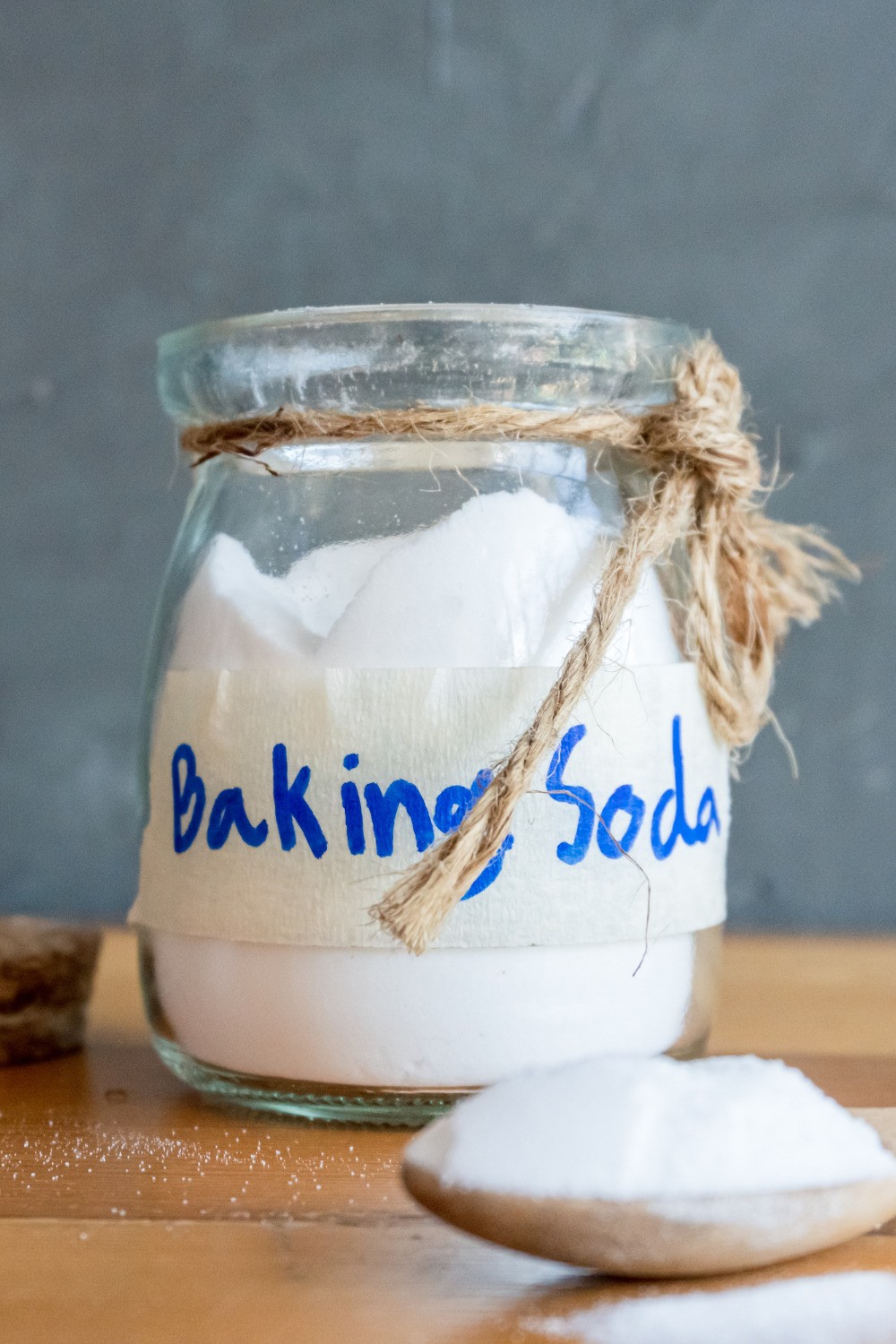
Take a deep breath – we've got the ultimate solution that's as simple as it is brilliant: baking soda.
Learning how to use baking soda to remove paint smell isn’t rocket science, even if you’re looking through DIY paint smell removal methods. Let’s explore.
Related: What is Milk Paint? Expert Guide to Eco-Friendly Painting
Why Paint Smells Linger (& Why You Need Paint VOC Reduction)

Beyond the pretty color on your walls, paint is a complex chemical cocktail filled with volatile organic compounds (VOCs) that continue to release gases long after the paint appears dry.
Proper techniques to ventilate paint fumes can significantly speed up odor removal. The science behind paint odors is fascinating – and somewhat concerning
As the paint dries, it releases chemical compounds that gradually evaporate into the air. These VOCs can cause headaches, dizziness, and respiratory irritation.
Specifically sensitive individuals (babies and pets especially) might experience more pronounced symptoms, making odor elimination not just a comfort issue, but a health priority.
Need help from the pros with your next painting project? The Hive Painting is here for you — contact us today!
Benefits of Using Baking Soda: How to Use Baking Soda to Remove a Paint Smell

Natural Deodorizing Properties
We all know that baking soda is a scientific marvel of odor elimination in the kitchen — but it’s also great as a natural paint odor eliminator!
At a molecular level, this humble white powder works like a microscopic magnet for smell molecules. Its porous structure allows it to trap and neutralize odors, rather than simply masking them like typical air fresheners.
The magic happens through a process called adsorption — it attracts and binds odor molecules, effectively removing them from the air.
It's really like nature's own air purification system – gentle, effective, and completely non-toxic!
Cost-Effective Solution
Forget expensive commercial air fresheners that only provide temporary relief.
Among various air purification methods, baking soda offers a natural, cost-effective solution. Baking soda is incredibly affordable, with a single box costing just a few dollars and capable of tackling multiple rooms.
Most homeowners already have this wonder ingredient in their pantry, making it an instant, budget-friendly solution.
Related: What is HVLP? Everything You Need to Know About This Spray System
Safe for All Surfaces
Baking soda ranks among the safest paint odor neutralizers available. Unlike harsh chemical treatments, baking soda is remarkably gentle.
It won't damage painted surfaces, furniture, or flooring. Its mild nature means you can use it liberally without worrying about potential surface damage or discoloration.
Required Materials and Setup
Baking Soda Containers
The success of using baking soda for paint odor removal largely depends on proper container selection and placement.
Choose wide, shallow containers that maximize surface area exposure — ceramic bowls, paper plates, or disposable aluminum trays work exceptionally well.
The greater the surface area, the more effectively the baking soda can absorb surrounding odors. For optimal results, use containers at least 6-8 inches in diameter and fill them with approximately 1/2 inch of baking soda.
Distribute these strategically throughout the painted space, placing them approximately 6-8 feet apart, with extra containers in areas where paint fumes seem strongest, such as corners and near freshly painted walls.
Box Fans and Ventilation Equipment
Effective ventilation is crucial for expediting the odor-removal process.
Position high-velocity box fans (minimum 20-inch size recommended) near windows to create a robust cross-breeze system. Place one fan facing inward at the room's entrance and another facing outward at an opposite window to establish proper air circulation.
For larger spaces, consider using multiple fans positioned at strategic points. Industrial-grade fans with adjustable speeds offer better control over airflow.
Additionally, if available, utilize ceiling fans set to rotate counterclockwise, which helps push air downward and out through windows. Maintain this ventilation system continuously for the first 48-72 hours after painting, adjusting fan positions as needed based on odor concentration.
Baking Soda Application Techniques
Create an effective odor-neutralizing spray solution by combining one cup of pure baking soda with four cups of distilled or filtered water in a clean, new spray bottle.
Ensure the baking soda dissolves completely by shaking vigorously or using warm water. For enhanced effectiveness, add 5-10 drops of essential oils like lavender or eucalyptus, which have natural air-purifying properties. When applying the solution, use a fine mist setting and spray in a sweeping motion about 12-18 inches from the surfaces.
Focus on walls, ceilings, and fabric surfaces, being careful not to oversaturate. For solid surfaces like windowsills, baseboards, or flooring, apply a thin, even layer of dry baking soda using a sifter or strainer for consistent coverage. Allow the powder to sit undisturbed for 4-6 hours before vacuuming with a HEPA-filtered vacuum cleaner.
Step-by-Step Baking Soda Odor Removal Process

1. Preparation
Begin by thoroughly preparing the space for odor treatment. Open all windows and doors fully, removing any screens if possible to maximize airflow. Start ventilation fans at least 30 minutes before applying baking soda treatments.
Remove or cover sensitive items such as electronics, artwork, or fabric furniture that might be affected by baking soda residue. Vacuum all surfaces thoroughly to remove dust and debris that might interfere with the odor-absorbing process.
Check weather conditions and humidity levels — ideally, choose a dry day with low humidity for optimal results.
2. Surface Application
Apply baking soda methodically throughout the space. Start by creating an even distribution of powder using a fine-mesh sifter or strainer.
Focus particularly on carpets, upholstery, and other absorbent surfaces that may have trapped paint fumes. You’ll want to use approximately 1/2 cup of baking soda per 50 square feet of surface area.
For vertical surfaces or areas where the direct application isn't practical, set up shallow trays or bowls filled with baking soda, positioning them on elevated surfaces like shelves or windowsills.
3. Liquid Solution Method
For a more comprehensive approach, implement the baking soda spray solution strategically. Mix the solution fresh for each application to ensure maximum effectiveness. Test the spray on a small, inconspicuous area first to ensure it won't affect painted surfaces.
Then, apply the solution in systematic sections, working from the ceiling down to the floor, ensuring even coverage without creating wet spots. Pay special attention to corners and areas near air vents where odors tend to concentrate.
4. Strategic Placement
Position baking soda containers thoughtfully throughout the space. Place larger containers (8-10 inches in diameter) in room corners and near freshly painted walls. Use smaller containers (4-6 inches) on windowsills and shelves. Include elevated placements to address odors that rise with warm air.
Monitor containers daily, replacing baking soda when it becomes noticeably damp or loses its fresh scent, typically every 24-48 hours. Keep detailed notes on which locations seem most effective for future reference.
5. Ventilation Optimization
Create an effective ventilation strategy by positioning fans to maximize air exchange.
Use multiple fans if possible, creating a deliberate airflow pattern that moves fumes toward exits. Then, time fan operation during cooler parts of the day when possible, as lower temperatures can help reduce paint off-gassing.
Monitor humidity levels and use dehumidifiers if necessary to maintain optimal conditions below 50% relative humidity.
Continue this ventilation protocol for at least 48-72 hours after painting, adjusting fan positions and speeds based on odor levels and air quality measurements.
Additional Tips for How to Use Baking Soda to Remove Paint Smell & Safe Paint Odor Neutralizers
Want even more environmentally-friendly ways of removing the paint smell? We’ve got you covered:
- Use activated charcoal alongside baking soda for enhanced odor absorption
- Keep the room temperature moderate to help VOCs dissipate faster
- Avoid using heat sources directly near fresh paint
- Consider using air purifiers with activated carbon filters
- Allow plenty of time for natural ventilation
Related: How to Paint Around Toilet Without Making a Mess
When to Seek Professional Help
While baking soda is highly effective, persistent or extremely strong paint odors might indicate underlying issues. If odors remain after 5-7 days of treatment, consider consulting a professional. Some situations may require specialized ventilation or air quality solutions!
Removing paint smell doesn't have to be a complicated or expensive process. With baking soda, you have a natural, safe, and incredibly effective solution at your fingertips.
Need help with your painting project? Our painters in Utah are here to help, whether it’s an interior, exterior, or cabinet painting project.
Explore our past projects and contact us today to enjoy your newly painted room without the unwelcome chemical odors!