How to Choose Exterior Colors for Victorian Homes in Salt Lake City

Publication Overview
How to Choose Exterior Colors for Victorian Homes in Salt Lake City
Choosing the right exterior colors for a historic home requires more than finding an attractive paint chip. The right palette should highlight historic architecture, complement permanent materials, and withstand Salt Lake City's intense sunlight, dry summers, snow, and seasonal temperature swings. Whether you want to preserve the home's original charm or create a more modern appearance, selecting the right Victorian House Exterior Colors can dramatically improve curb appeal while protecting your investment.
What Exterior Colors Look Best on Historic Homes?
One of the greatest advantages of owning a historic home is its architectural versatility. The best Victorian House Exterior Colors can completely transform the appearance of an older home while respecting its historic architecture. Whether your goal is a modern, colorful, antique, or timeless design, choosing the right palette allows every architectural detail to stand out beautifully.
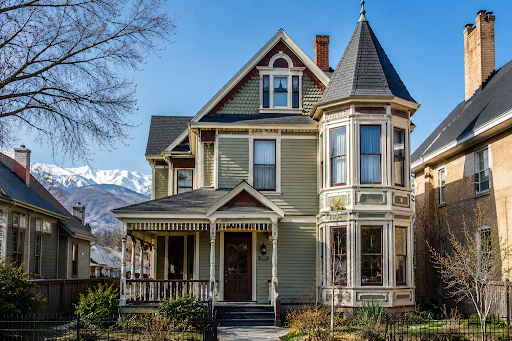
Unlike newer homes with simple façades, Victorian houses feature decorative trim, ornate woodwork, textured siding, towers, brackets, and detailed moldings. These architectural elements provide the perfect opportunity to create a customized look that reflects your personal style while enhancing the home's curb appeal.
The key is selecting a color palette that complements the home's architecture rather than overpowering it. Professional exterior painters can also help you balance modern trends with the home's historic character, ensuring the final result looks intentional and cohesive.
Below are some of the most popular Victorian House Exterior Colors based on the style you want to achieve.
How should the architecture influence your color palette?
Your exterior color palette should reinforce the home's architectural hierarchy . Use the body color on broad siding or stucco surfaces, trim colors on windows and fascia, and accents on doors, brackets, gable shingles or porch details. Strategic contrast reveals craftsmanship without making every decorative element compete for attention.
- Queen Anne homes: Support layered details with three or four related colors.
- Italianate homes: Emphasize tall windows, cornices and brackets with controlled contrast.
- Folk Victorian homes: Use a simpler two- or three-color scheme.
- Masonry façades: Coordinate paint with existing brick, stone and mortar instead of covering historically unpainted materials.
Before historic home painting begins, inspect old photographs, protected areas beneath porches and earlier paint layers. These clues may reveal a palette that suits the home’s original period.

Which exterior colors perform well in Salt Lake City’s climate?
Salt Lake City homes benefit from high-quality, fade-resistant exterior coatings and balanced colors that tolerate strong ultraviolet exposure. Mid-tone colors generally show dust and weathering less than very dark or brilliant shades. Proper preparation, compatible primer and premium 100% acrylic paint are essential for wood siding exposed to seasonal expansion and contraction.
Utah’s sun can make colors look lighter and more intense than they appear indoors. Snow, mountain light and shaded porch areas can also change how undertones read. Test large samples on multiple elevations and review them in morning, midday and evening light.
“Never approve an exterior color palette from small paper swatches alone. Color should be tested beside the roof, masonry, landscaping and neighboring homes.”
Products from manufacturers such as Sherwin-Williams and Benjamin Moore offer historic color collections, but product selection should also account for substrate condition, sheen, exposure and previous coatings.

How do you choose trim and accent colors?
Choose trim that creates enough contrast to define windows, rooflines and porch elements without overpowering the body color. Reserve the strongest accent for the front door or a limited group of architectural details. Repeating that accent in two or three locations creates balance and makes the palette feel intentional.
Exterior Color Checklist
- Coordinate with the roof, brick, stone and foundation.
- Use warm whites with warm body colors and softer cool whites with blue-gray palettes.
- Avoid highlighting damaged or poorly proportioned features.
- Test samples directly on wood siding, stucco and trim.
- Confirm that every color remains attractive in full sun and shade.
Do Salt Lake City historic homes have painting restrictions?
Paint color and minor maintenance may be exempt from historic approval in Salt Lake City local historic districts, but related exterior alterations can require a Certificate of Appropriateness. Because requirements depend on the property and project scope, homeowners should confirm their status with Salt Lake City Planning before repairs or architectural changes begin.
This is especially important in neighborhoods with significant historic housing, including the Avenues, Capitol Hill, Central City and South Temple areas.
The National Park Service recommends using the gentlest effective preparation methods on historic woodwork. Aggressive removal can damage delicate details and erase evidence of earlier finishes.
Authoritative references: Salt Lake City Historic Preservation guidance and National Park Service Preservation Brief 10.
When should you hire professional exterior painters?
Hire professional exterior painters when the home has peeling coatings, intricate trim, deteriorated wood, multiple siding materials or difficult upper stories. Experienced exterior painting contractors can identify moisture problems, select compatible primers and create a color placement plan that protects historic materials while delivering a cleaner, longer-lasting finish.
The Hive Painting provides exterior color consultation, sample application and residential exterior painting for Salt Lake City homeowners. Our team can help you compare Victorian house exterior colors on the actual property before completing careful preparation and painting.
Get a Free Estimate — Call (385) 213-2162 or visit The Hive Painting contact page.
Frequently Asked Questions About Victorian House Exterior Colors
Victorian exterior color decisions usually involve architectural style, historic context, fixed materials, local light and coating durability. The answers below address common questions from Salt Lake City homeowners.
How many exterior colors should a Victorian house have?
Most Victorian homes look balanced with three or four colors: one body color, one primary trim color and one or two accents. Simpler Folk Victorian homes may need only two or three, while elaborate Queen Anne façades can support additional closely related shades.
What is the most historically accurate Victorian exterior color?
There is no single historically accurate color. Appropriate palettes depend on the home’s construction date, Victorian subtype, region and original materials. Historic photographs, protected paint layers and professional paint analysis provide stronger evidence than generalized color charts.
Can a Victorian house use modern exterior colors?
Yes. Modern Victorian colors can work when they respect the architecture’s visual hierarchy. Contemporary greens, blue-grays, warm neutrals and charcoal accents can feel current while still distinguishing siding, trim and decorative features.
Should Victorian trim be lighter or darker than the siding?
Either approach can work. Lighter trim produces a crisp, traditional appearance, while darker trim can add depth and emphasize window openings. The best choice depends on the body color, roof, masonry and amount of architectural ornament.
What exterior colors fade fastest in Utah sunlight?
Highly saturated reds, yellows and some deep blues may show fading sooner than muted, earth-influenced colors. Paint quality, pigment formulation, surface preparation and sun exposure matter as much as the color family.
What paint sheen is best for a Victorian exterior?
Low-luster or satin finishes are commonly used on siding because they balance durability with a period-appropriate appearance. Semi-gloss is often selected for doors and trim that need additional washability, but very glossy finishes can exaggerate surface defects.
Can you paint historic brick or stone?
Historically unpainted brick or stone generally should not be painted without evaluating moisture movement, material condition and preservation concerns. An inappropriate coating can trap moisture and permanently change a character-defining material.
How can I find exterior house painters in Salt Lake City?
Look for licensed and insured exterior painting contractors with experience in detailed woodwork, historic substrates, thorough preparation and color consultation. Ask how they address peeling paint, moisture, lead-safe practices, samples, warranties and landscaping protection.